
01 · Tell the story
Start with what brought you here.
Symptoms, prior care, daily function, and your priorities give the review its context.

Disciplined, expert neurosurgical care—organized reliably, explained clearly, and carried out with the compassion patients and families deserve in high-stakes moments.
A place to bring your questions, understand your findings, and discuss a practical plan with Dr. Stacey.
Dr. Stacey reviews your symptoms and imaging with you, explains the findings, and discusses the options that fit your situation.
Symptoms, prior care, daily function, and your priorities give the review its context.
Please call 754-300-0817 to confirm your specific plan before your visit.











Our mission, vision, and promise guide how we care for patients and work with families and referring clinicians.
To deliver disciplined, expert neurosurgical care—organized reliably, explained clearly, and carried out with the compassion patients and families deserve in high-stakes moments.
Our North Star brings six commitments into the visit: excellence, clarity, compassion, integrity, respect, and discipline.

We prepare carefully, explain our recommendations, and follow through on the plan.
Learn about the conditions we evaluate, what to bring, and questions to discuss at your appointment.
Back and leg pain, lower-extremity radiculopathy, leg weakness, walking difficulties, and urinary or bowel changes.
Open this care pathway ↗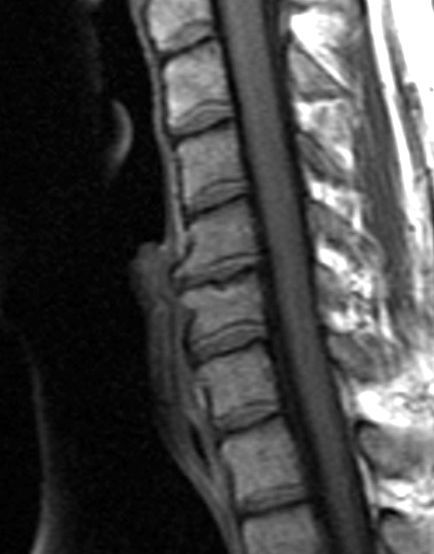 02Cervical pathwayNeck Pain, Myelopathy & Arm Symptoms
Neck and arm pain, weakness, hand changes, gait difficulties, and balance concerns.
Open this care pathway ↗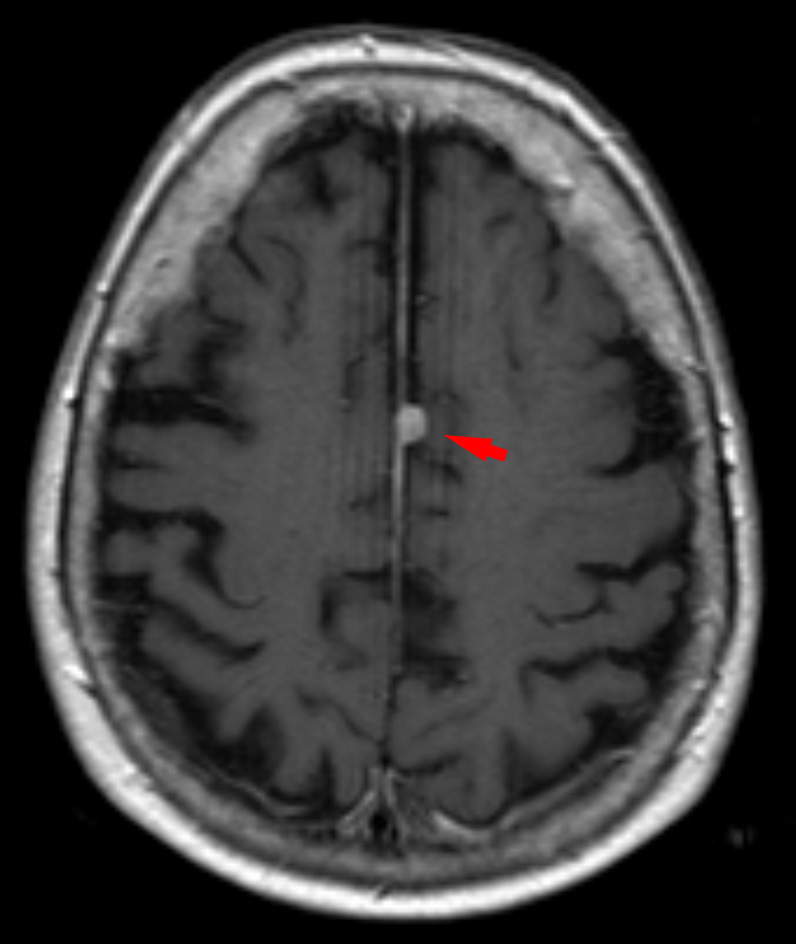 03Cranial imagingBrain Tumors & Intracranial Cysts
Clear review of brain findings, symptoms, surveillance, and treatment options.
Open this care pathway ↗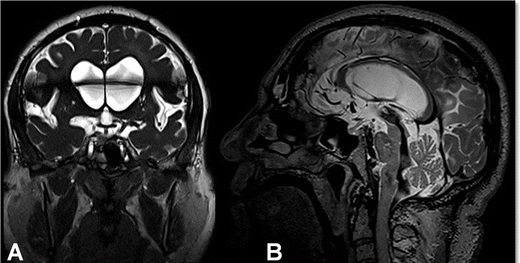 04Continuity careHydrocephalus & Shunts
Long-term shunt care, transition from pediatric care, normal-pressure hydrocephalus (NPH), and idiopathic intracranial hypertension (IIH).
Open this care pathway ↗ 05After hospital careNeurotrauma
Follow-up after brain or spine injuries, hospitalization, or surgery, including collar and brace decisions.
Open this care pathway ↗ 06Decision claritySecond OpinionsA careful second review of a brain or spine diagnosis, scan, or proposed treatment plan.
Open this care pathway ↗Meet Dr. Stacey and take a closer look at the consultation setting.
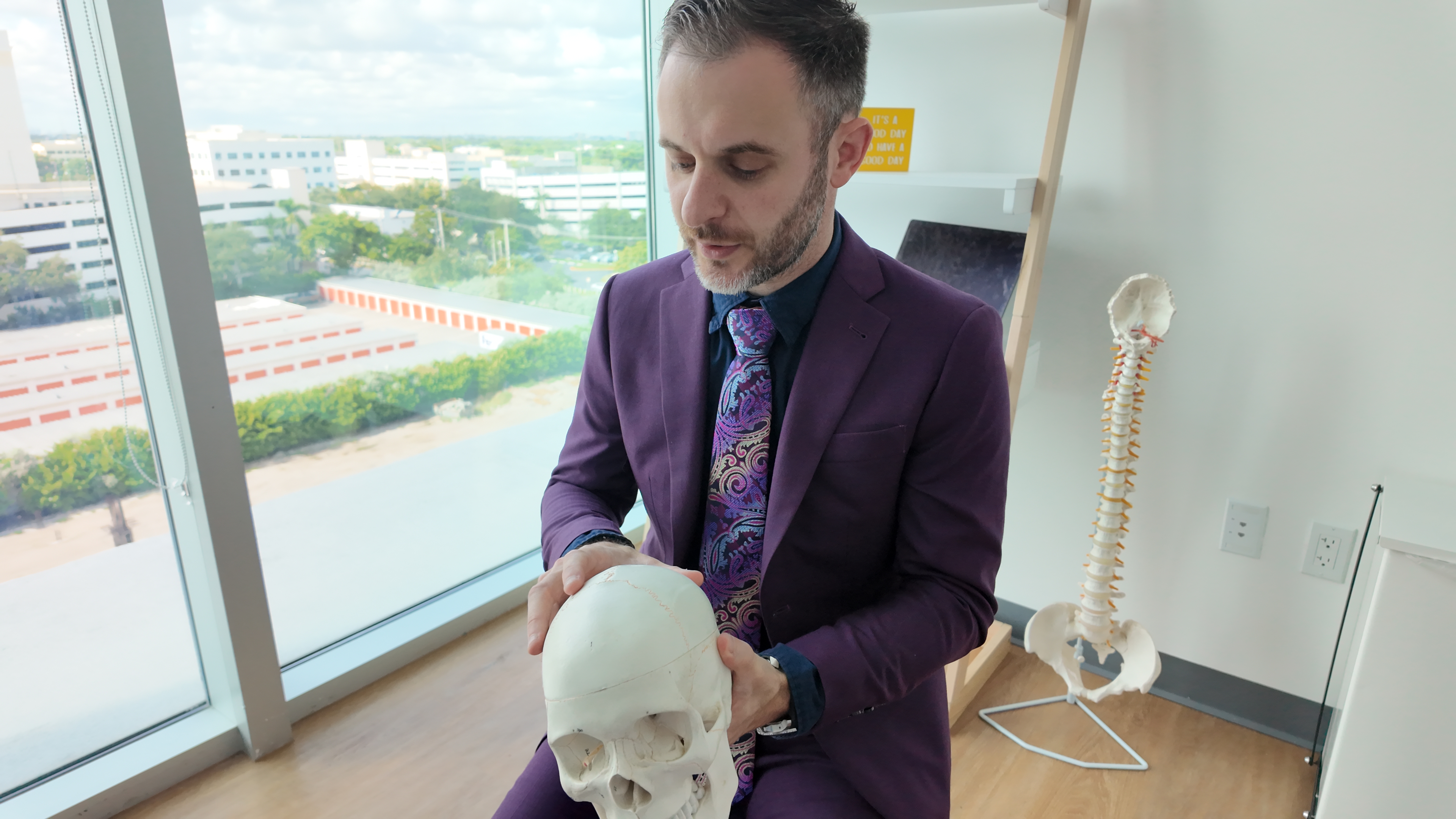
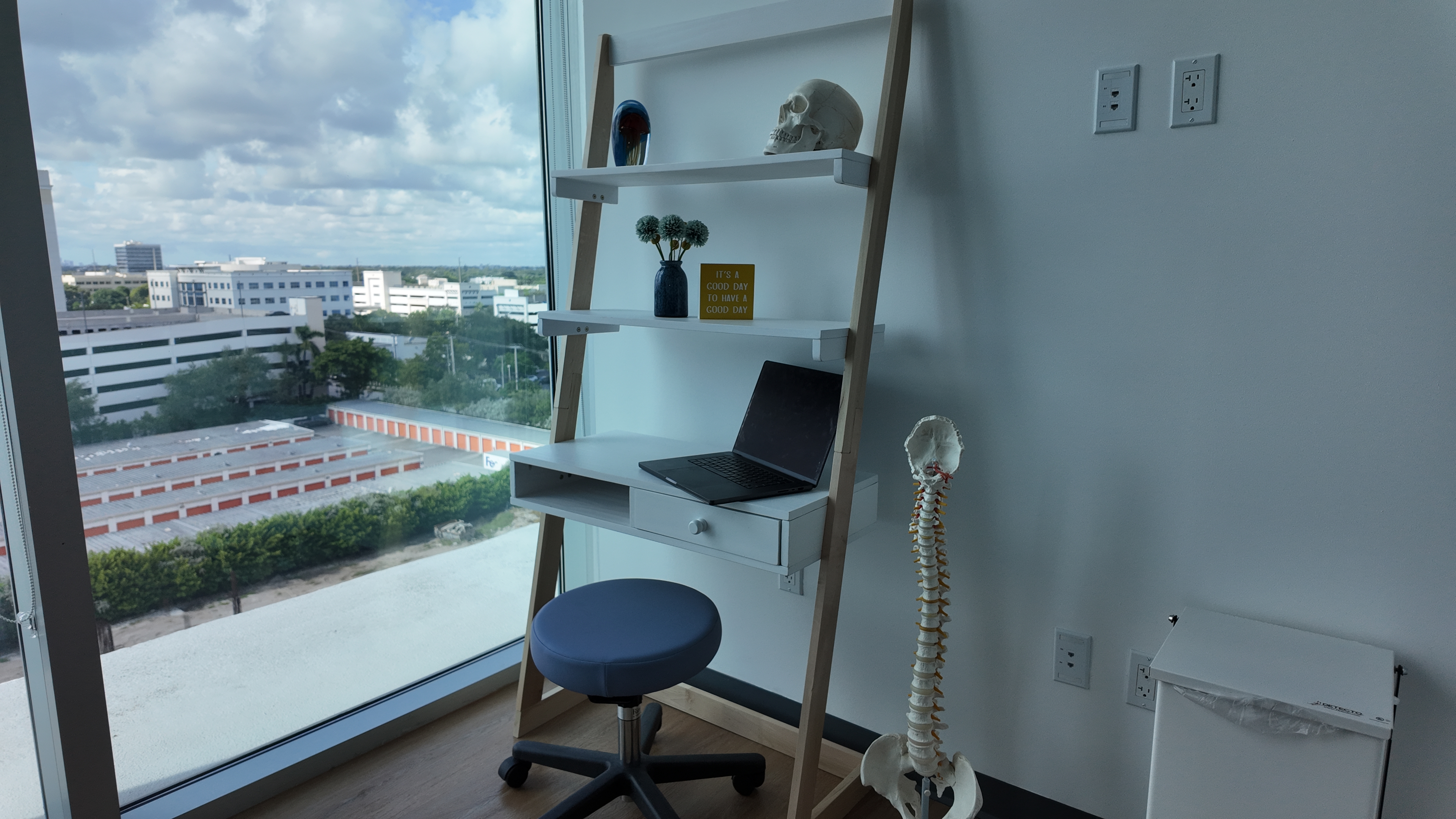


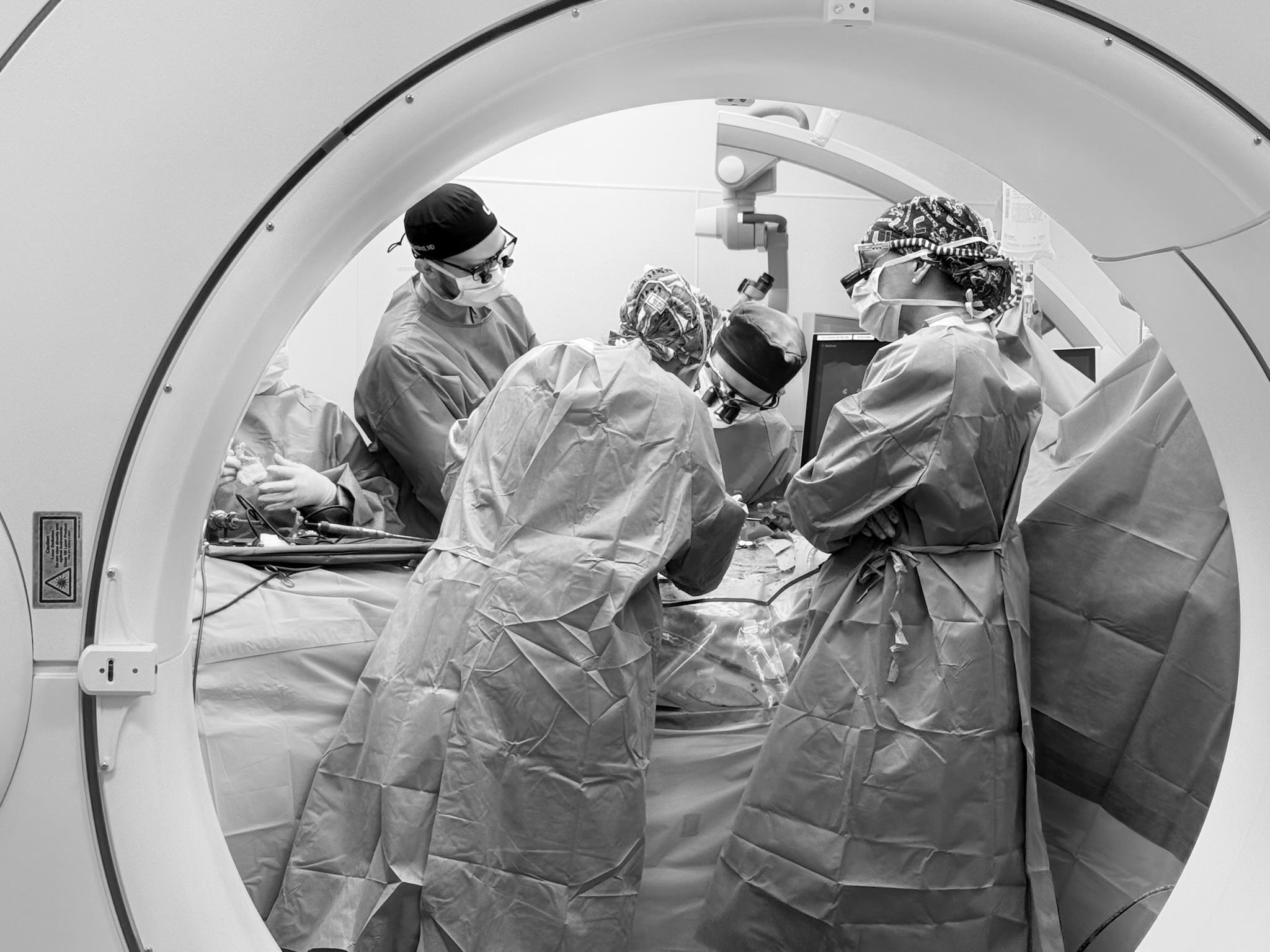
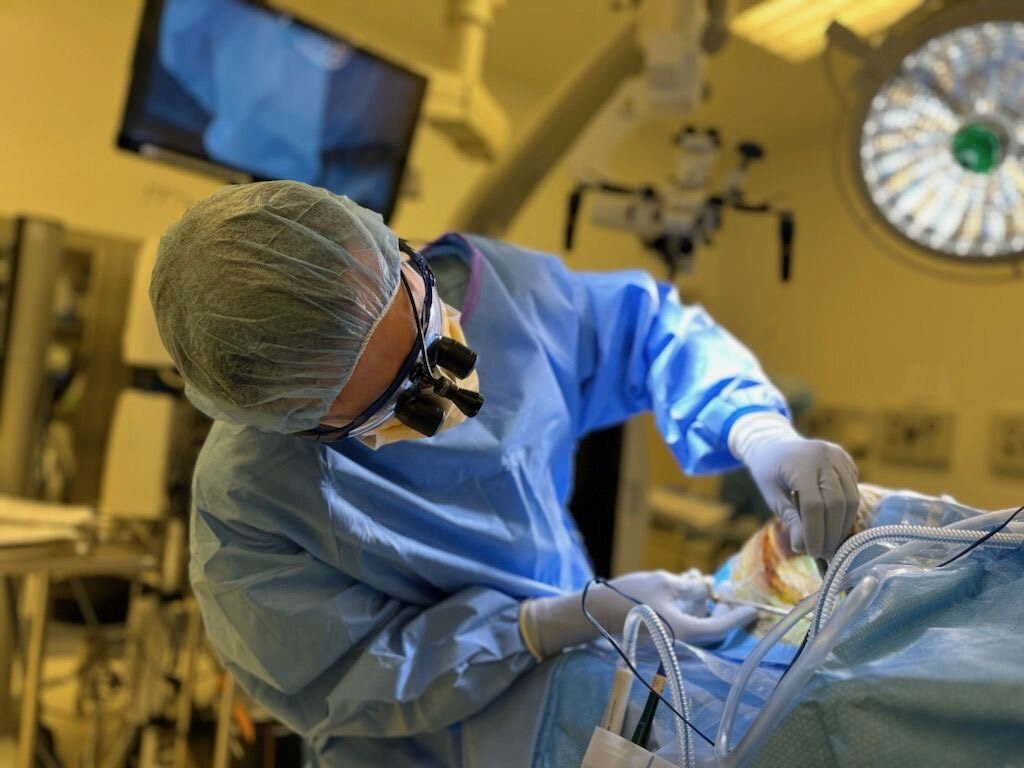
A consultation helps determine whether surgery is appropriate. If it is, Dr. Stacey discusses the purpose of the operation, alternatives, risks, and what to expect during recovery.
About these photographs: Operating-room photography shown for context; it does not depict a specific patient’s procedure or result.
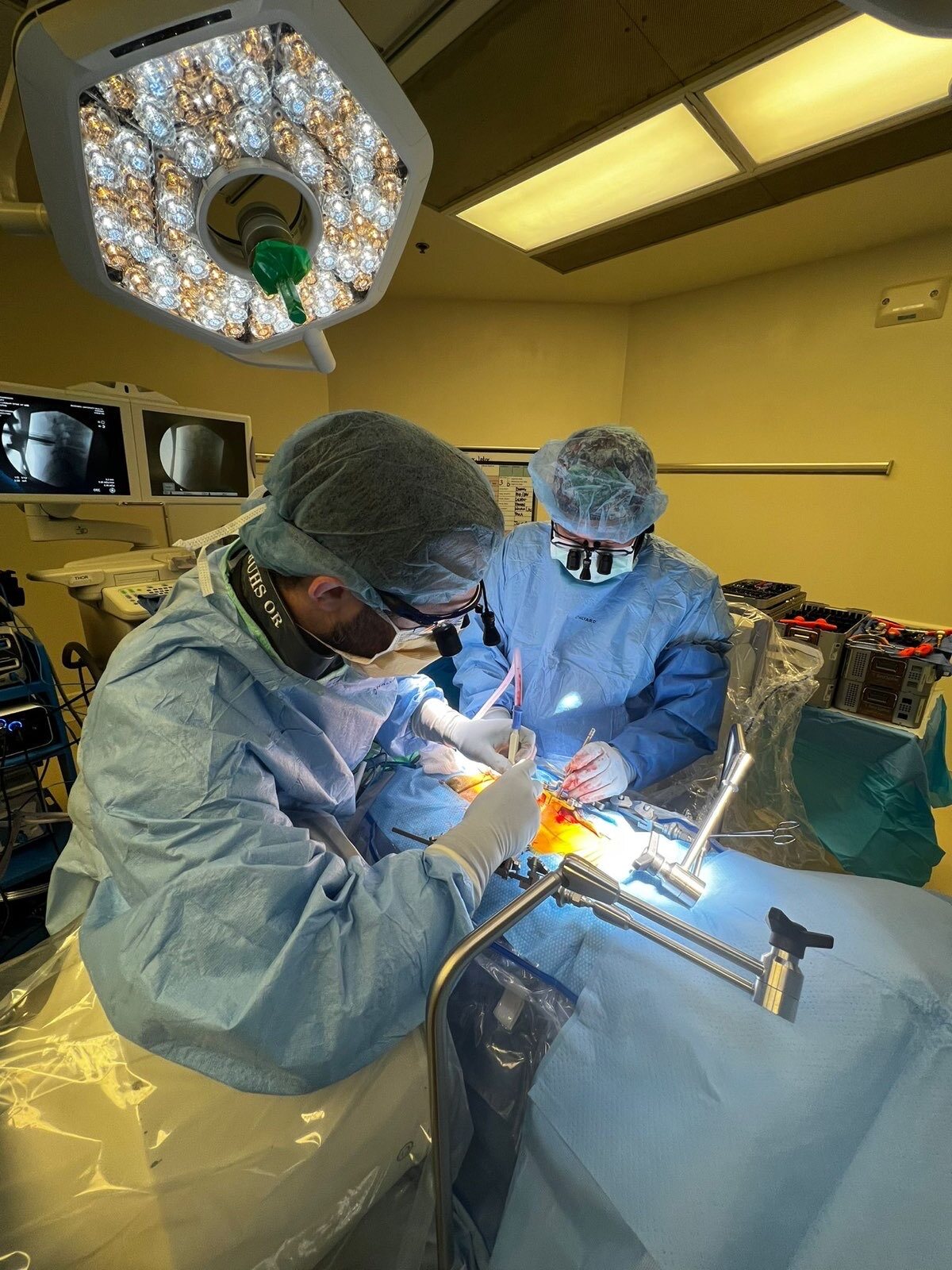
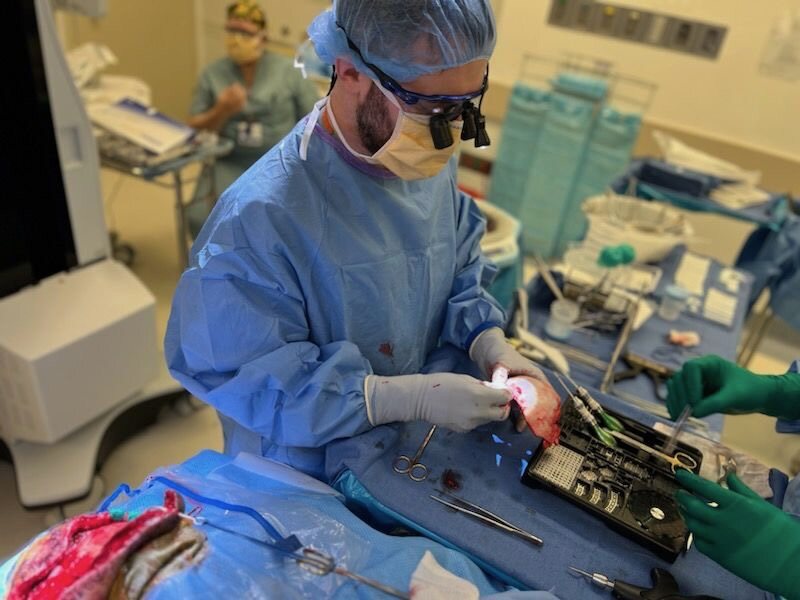
The practice team helps coordinate your appointment and the records needed for review. Ask who to contact with questions about scheduling, preparation, or follow-up.
Call or use the appointment request form. The team will contact you to confirm the visit details and explain the intake process.
Ask how to send imaging and records securely. Actual images, not only the written reports, are needed when reviewing a possible operation.
Dr. Stacey considers your history, examination, and imaging, then explains the recommendation and answers your questions.
Before you leave, ask what happens next, when you should return, and whom to contact if you need help with the plan.
Dr. Stacey leads neurosurgical care. Dr. Laura supports the management and coordination that help the practice serve patients and families.
 Neurosurgical lead
Dr. Podkovik evaluates brain and spine concerns. He reviews your symptoms, imaging, and previous treatment with you, explains what the findings mean, and discusses your options.
Read the biography
Dr. Purdy supports practice management and care coordination, with attention to how patients move from their first inquiry through follow-up. Dr. Stacey leads neurosurgical evaluation and treatment.
Read the biographyHear Dr. Stacey explain common questions about imaging, treatment options, and surgical decisions. Select a question, then press play.
Pain is real even when imaging is unrevealing. Operating without a target can create risk without improving symptoms, so the cause needs careful evaluation.
Explore related care ↗Press play to hear Dr. Stacey’s answer.
These recordings provide general education and do not diagnose, treat, or replace an individual medical evaluation. New or rapidly worsening neurologic symptoms may require emergency care.
Please arrange access to your actual MRI, CT, X-ray, or other relevant images as well as the reports. Earlier scans can help with comparison. Actual imaging is required for surgical review; ask the team how to send it securely before your visit.
Yes. Bring the recommendation you received, your imaging, and relevant records. Dr. Stacey can review the findings with you and discuss the reasons for different treatment options.
No. A consultation helps establish what your symptoms and findings mean. The recommendation may include monitoring, treatment without surgery, more testing, another referral, or surgery when appropriate.
Bring your imaging and reports, relevant medical or operative records, a medication list, and your insurance information. Write down your main questions and a brief timeline of your symptoms and previous treatment.
The practice team will contact you to discuss your request, confirm the visit details, and explain which records are needed. Sending the form does not reserve a time. Call 754-300-0817 if you need help with scheduling.
Before your visit, ask the practice and your insurer to confirm participation in your specific plan, referral or authorization requirements, and expected costs. Coverage varies by plan and service.
Call 911 or seek emergency care for signs of stroke, sudden or rapidly worsening weakness, seizure emergencies, loss of consciousness, severe trauma, new bladder or bowel dysfunction, saddle numbness, or another abrupt neurologic change. This website and its navigator do not provide emergency assessment.
General educational information only. This site does not replace an in-person medical evaluation. Calling the office, using the navigator, or reading these pages does not establish a physician-patient relationship.